
What is electrostimulation?
Electrostimulation is an effective complement to speech, language and orthodontic therapy. The treatment uses a very low-intensity current that flows through the muscles of the speech apparatus and improves how they work.
It is painless, usually felt as a gentle tingling. The method has been used successfully for years in leading centres, including the Institute of Mother and Child in Warsaw. At BELMED® we always carry it out after assessing the indications and in combination with therapeutic exercises.
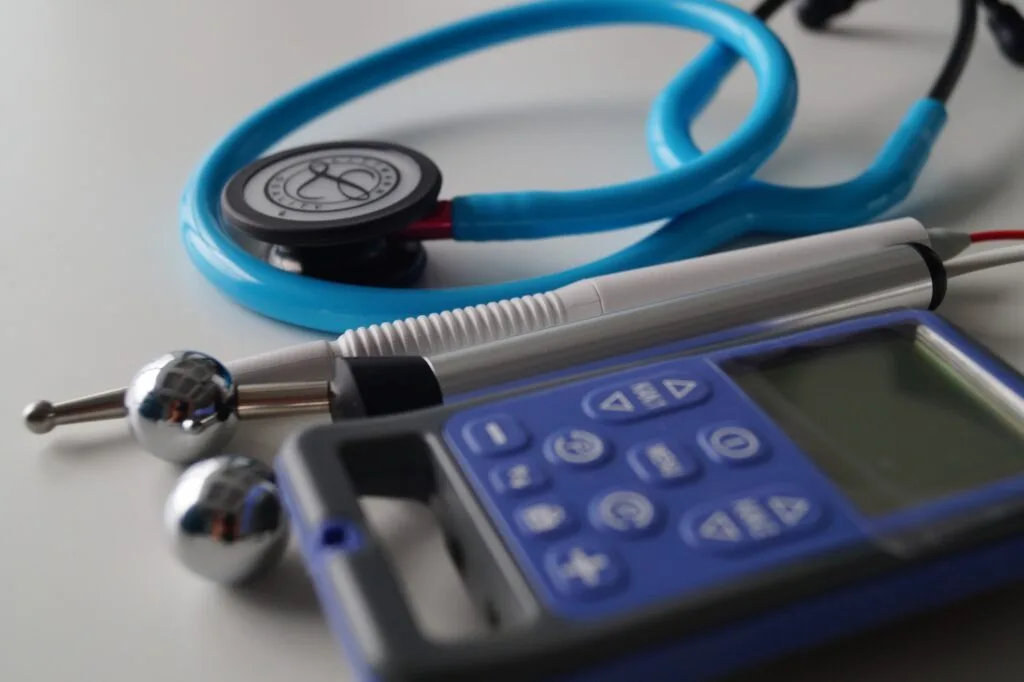
Two methods, one goal
Depending on the patient's needs, we use electrostimulation of the articulatory apparatus or neuromuscular electrostimulation.
Soft palate, lips and tongue
Designed for people with dysfunctions of the speech apparatus. A low-intensity current flows through the muscles of the soft palate, lips or tongue, improving their function.
Indications
- Post-operative cleft lip and palate conditions
- Delayed speech development
- Peripheral dyslalia
- Nasal speech (rhinolalia)
- Motor aphasia
- Dysarthria (articulation disorders)
Neuromuscular electrostimulation
Modern support for ongoing speech and language therapy. It strengthens the muscles involved in articulation and in chewing, biting and swallowing.
Indications
- Excessive drooling
- Facial muscle weakness
- Dysphagia (swallowing disorders)
- Bruxism
- Dyslalia, dysarthria, motor aphasia
What does electrostimulation offer?
Regular treatments, carried out alongside speech therapy, bring measurable benefits.
- Reduced muscle tension
- Increased muscle strength
- Better tissue elasticity
- Reduced swelling
- Pain-relieving effect
- Epilepsy (without a doctor's consent)
- Metal in the body
- Implanted pacemaker
- Heart conditions
- Pregnancy
- Others, determined individually
We plan therapy with your journey in mind. See the page for your town.
Frequently asked questions
Can’t find your answer? Give us a call - we are happy to talk it through.
What is electrostimulation in speech therapy?
Gentle stimulation of the facial, tongue and palate muscles with a very low-intensity current. It supports muscle work where strength or sensation is lacking and is always combined with speech exercises.
Is it painful?
No. Patients feel a light tingling; the intensity is set individually and can be reduced at any moment.
Which difficulties is it used for?
Reduced muscle tone, swallowing difficulties, drooling, unclear speech, and in therapy after strokes and neurological injuries.
Are there contraindications?
Yes - including epilepsy, a pacemaker, inflammation or skin lesions at the treatment site, and cancer. We verify these before every course of therapy.
Have questions?
Book a consultation.
We will answer all your questions and help you choose the right path for assessment or therapy.
We call back within 1 business day