
Understanding a stroke and its aftermath
A stroke is a sudden disruption of blood flow in the brain that can lead to lasting damage. The consequences may include aphasia, dysarthria and difficulties with information processing, that is, disorders of the areas responsible for speech, understanding and communication.
Neurospeech therapy helps to recover lost functions step by step. We also support people after neurosurgical operations, such as tumour removal, aneurysm treatment or epilepsy surgery, which can affect speech and language.
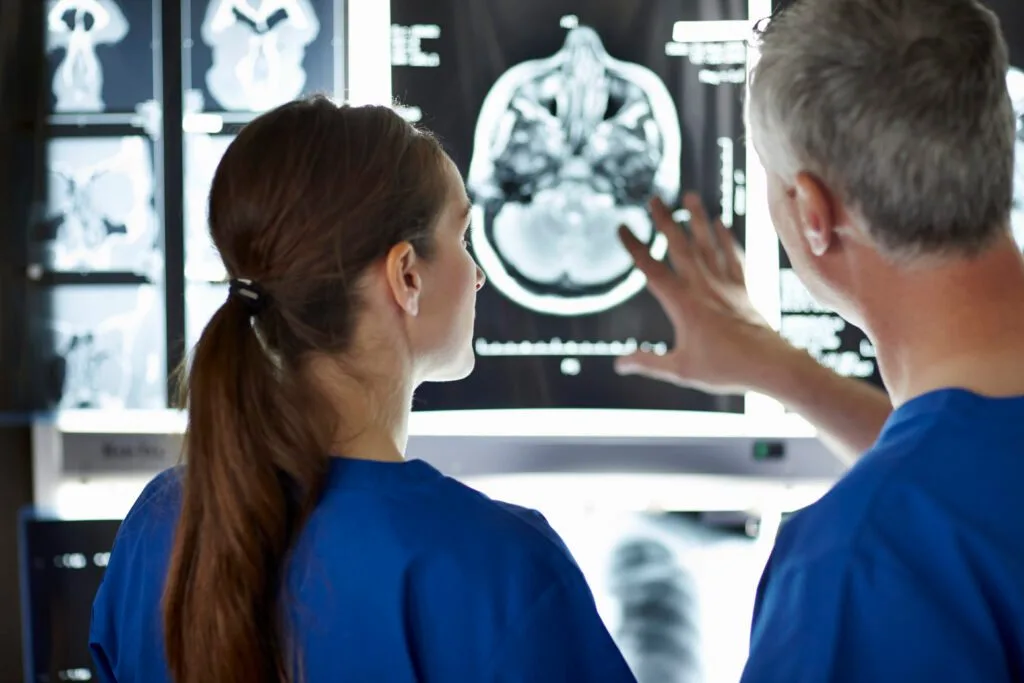
Two mechanisms, one therapeutic goal
Every type of stroke carries a risk of damage to the areas responsible for speech, understanding and movement. That is why we always precede therapy with a thorough assessment.
Ischaemic stroke
It occurs when a clot blocks a blood vessel and limits blood flow to the brain. This is the most common type of stroke.
Haemorrhagic stroke
It results from a ruptured blood vessel and a bleed into the brain, which damages the surrounding tissue.
What we work with
We specialise in the neurorehabilitation of speech and language in adults after strokes and brain surgery.
- Aphasia - disorders of speech and language resulting from brain damage
- Dysarthria - difficulty with articulation due to weakened muscles of the speech apparatus
- Auditory processing disorders - problems understanding sound stimuli
- Rehabilitation of language functions - understanding, speaking, reading and writing
The setting and team at BELMED®
We combine an individual approach, clinical experience and a modern therapeutic setting.
Individual approach
Before therapy we carry out a detailed consultation and assessment, and tailor the rehabilitation plan to the patient's needs and capabilities.
Experienced specialists
Speech and language therapists experienced in working with neurological patients, in cooperation with neurologists and psychologists.
Modern facilities
Three fully equipped therapy rooms and advanced diagnostic and rehabilitation tools.
Four stages of rehabilitation
We guide the patient from the first assessment through to ongoing monitoring of progress.
Assessment
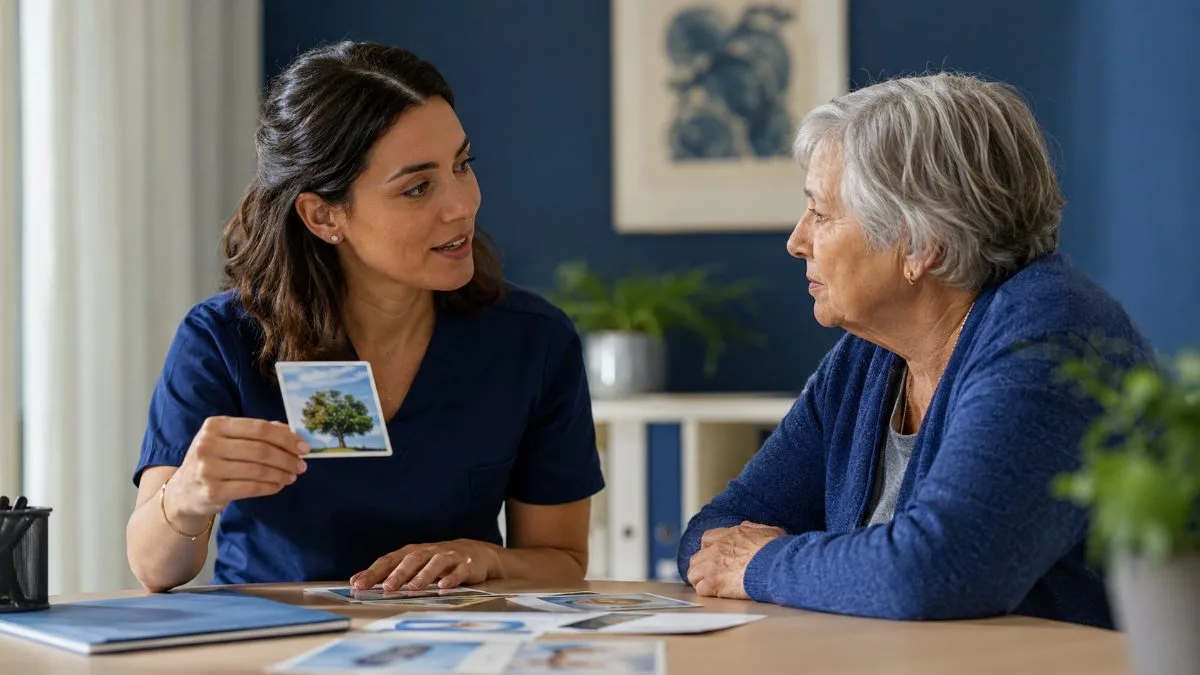
A detailed evaluation of speech, language and communication functions.
Planning
Developing an individual therapy programme.
Rehabilitation
Regular sessions adapted to the patient's progress.
Monitoring
Ongoing evaluation of results and adjustment of the programme.
What our patients achieve
- Clearer, more intelligible speech
- Greater independence in communication
- Reduced barriers in everyday life
Read more on this topic
Practical articles by our specialists, related to this page.
A practice with a lift and free parking. See the journey from your town.
Frequently asked questions
Can’t find your answer? Give us a call - we are happy to talk it through.
How much does post-stroke therapy cost?
A neurologopaedic therapy session (50 minutes) costs PLN 150. Therapy is preceded by a speech and communication assessment (PLN 450).
When is the best time to start?
As soon as the patient is medically stable - the first months after a stroke offer the greatest brain plasticity, though therapy also brings results later on.
What do you work on?
Aphasia (understanding and producing language), speech clarity, and - where present - dysarthria and swallowing difficulties.
Is the family involved?
Yes - relatives are an important part of the process. We show how to talk and practise at home to support the patient between sessions.
Have questions?
Book a consultation.
We will answer all your questions and help you choose the right path for assessment or therapy.
We call back within 1 business day