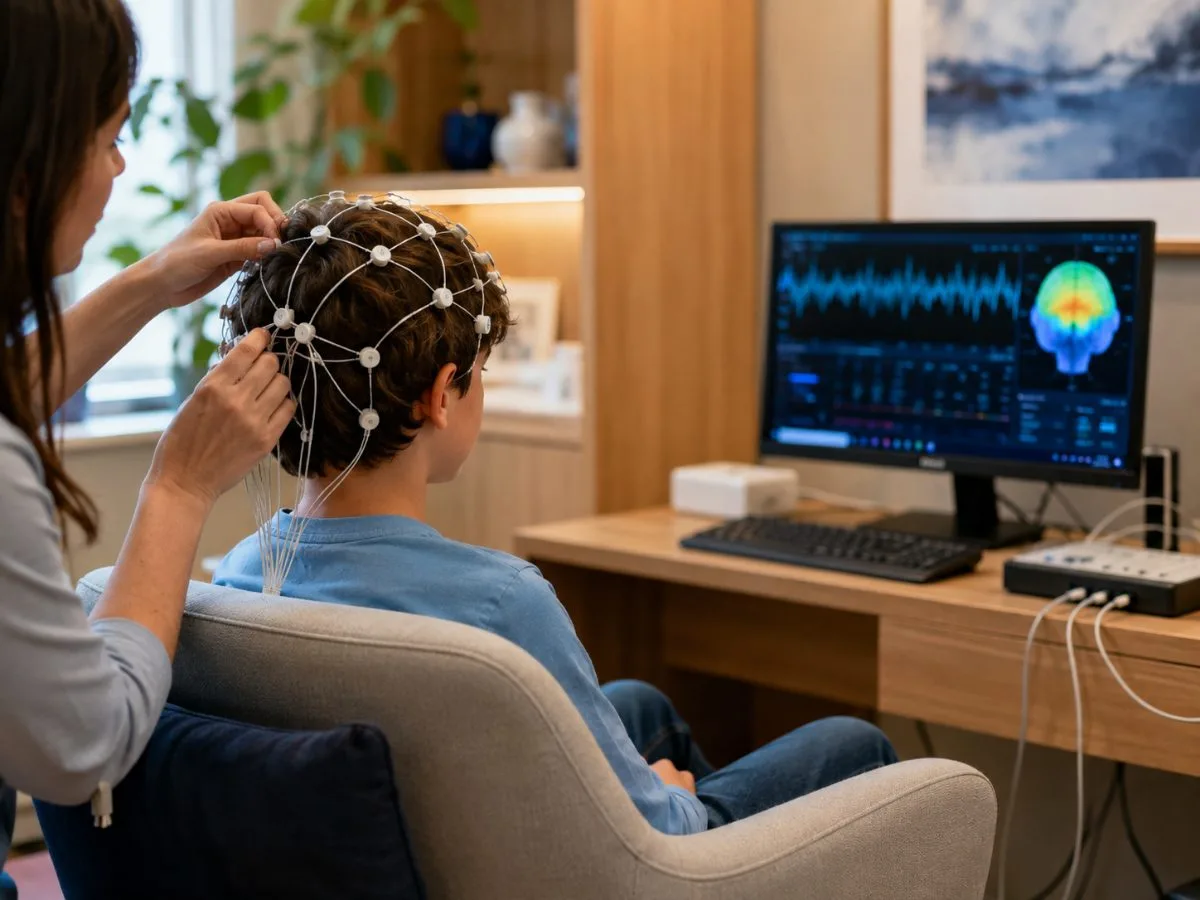
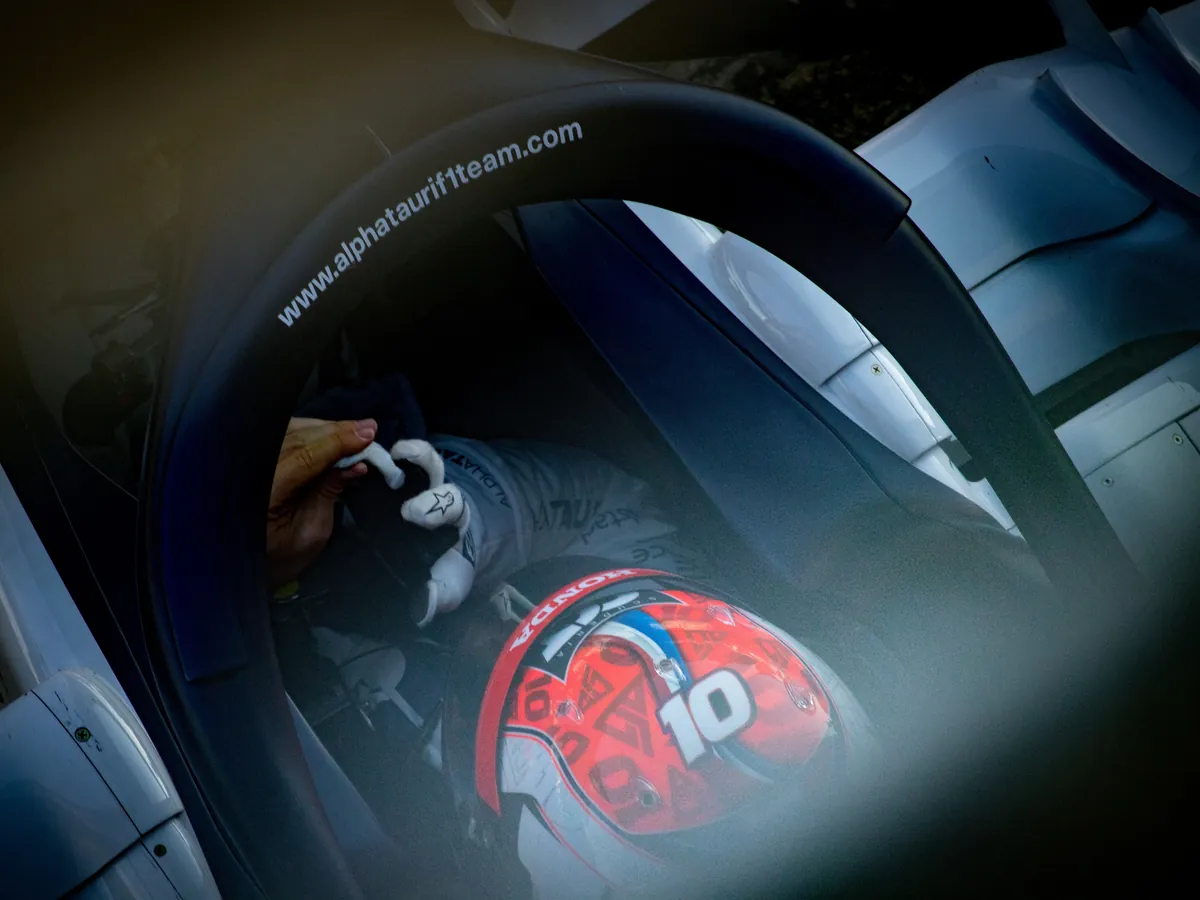
Football clubs, racing teams and national squads talk more and more about "brain training". Very different things hide behind that phrase, though: classic EEG neurofeedback, measuring brainwaves on the pitch, cognitive games and even electrical stimulation. We went through club websites, team announcements, reports and scientific studies to separate what is documented from what simply sounds good.
Four things people call "brain training"
Before we get to the clubs, it helps to sort out the terms. The media put everything in one bag, but these are four different approaches:
- EEG neurofeedback. Sensors on the scalp read brain activity and software shows it as a game or animation. The athlete learns to enter a desired state, such as calm focus. It is the same method we use in the clinic in EEG Biofeedback therapy. You can read more about the method in our article on EEG Biofeedback and ADHD.
- EEG measurement in action. EEG works as a "black box" of the athlete's state on the pitch, the track or in a simulator. Measurement alone is not yet training.
- Body biofeedback. Feedback from the heart (heart rate variability, HRV), breathing or muscle tension. Most often used for breathing training and stress management.
- Tools "next to EEG". Cognitive games, virtual reality, electrical stimulation or MRI scans. Often called "brain training", although they give no EEG feedback.
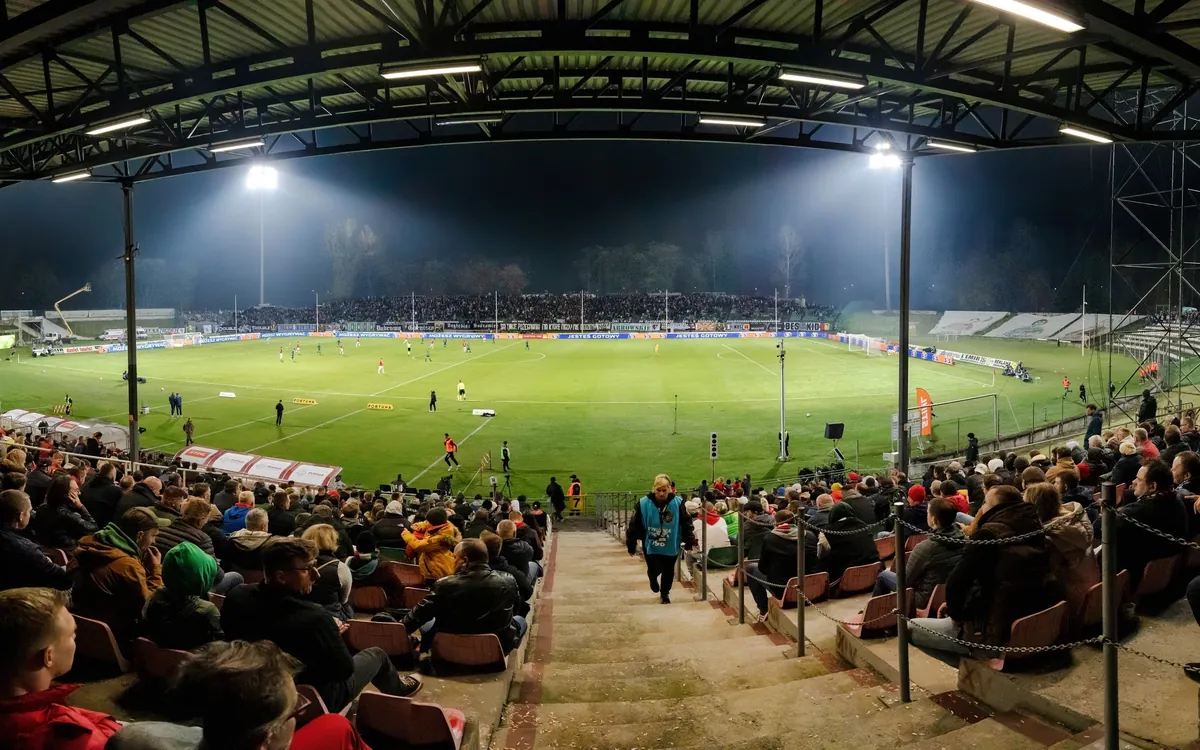
Football: from the Mind Room to the EEG headband
AC Milan and the "Mind Room"
The most famous story starts in 1986. At the Milanello training centre, psychologist Dr Bruno Demichelis set up a laboratory that ran for 23 years. Groups of up to eight first-team players sat in chairs connected to equipment measuring, among other things, blood pressure and breathing. Demichelis tested muscle tension, taught breathing, ran cognitive training and reaction-time tests. He also used biofeedback with electrodes on the scalp, but EEG was only one element of many. In 2009 he followed Carlo Ancelotti to Chelsea, where the work described is mainly muscle-tension testing and breathing training.
Liverpool and neuro11
From summer 2021, Liverpool players worked with neuro11, a spin-off of the University of Bonn. Training focused on penalties, corners and free kicks, with brain activity measured by electrodes right on the pitch. The club linked this work to its penalty shoot-out wins in the 2022 League Cup and FA Cup finals. The story is a good one, but it is an account of success. There was no comparison group. The same company later ran an adidas campaign with goalkeeper Emiliano Martínez. Figures such as "90% more time in the optimal zone" come from the campaign, not from a scientific publication.
Juventus, Atlanta United, Real Sociedad B
As part of its innovation programme, Juventus showed young players at its academy tournament EEG technologies, including wearable EEG that measures concentration and stress. The club writes about testing and validation, not first-team routine. Atlanta United trained with the i-BrainTech system, in which a player wearing an EEG cap controls an avatar by imagining a movement. At Real Sociedad's reserve team the same system produced a striking result: the accuracy of long kicks rose by 12.4% in the training group and by 2.6% in the control group. The study, however, involved only 15 players, and we know the result from a press article, not a peer-reviewed publication.
What do studies with footballers show?
The interesting results are the ones rarely mentioned. French researchers looked for an attention marker in Stade Rennais goalkeepers for future neurofeedback, and in real-time conditions the marker did not work. In the Netherlands, women and men players trained alpha neurofeedback in groups, up to 13 at a time in the club room. After 20 sessions their task switching improved. Meanwhile, a well-known Italian programme for Serie A players, with a control group and better attention, was biofeedback from the heart and breathing, not EEG.
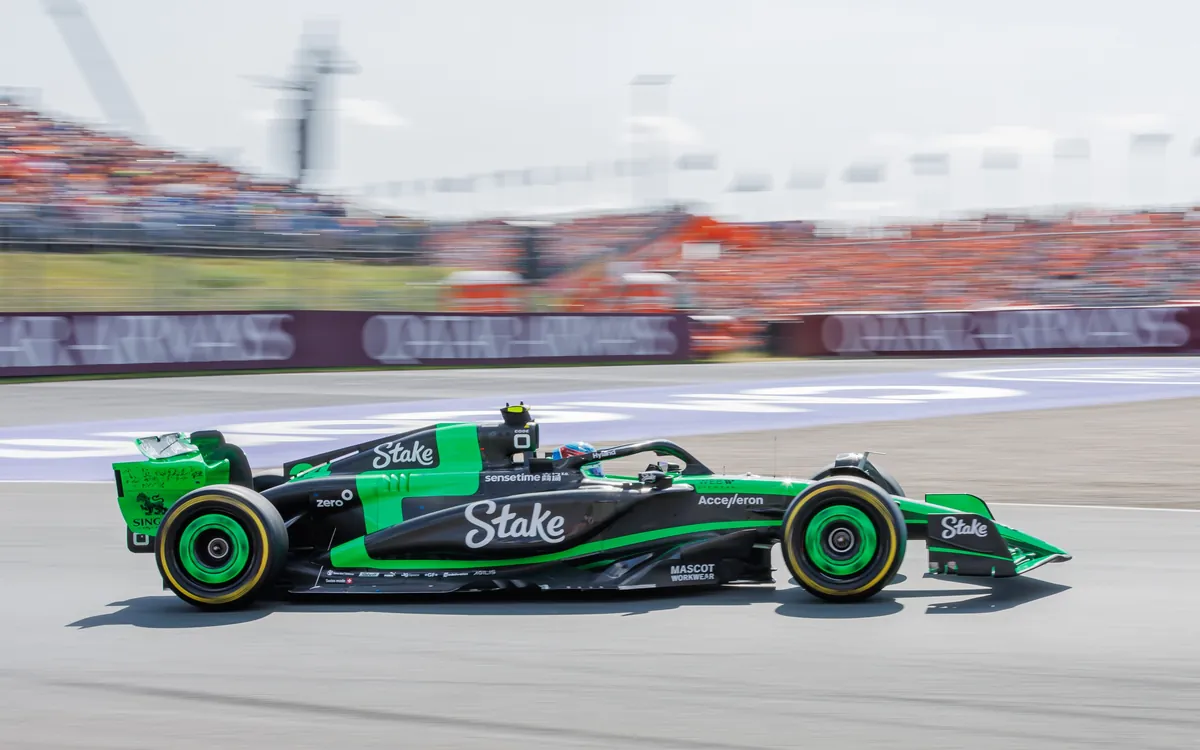
Formula 1: many myths, little EEG
Drivers make decisions at 300 km/h, so "the driver's brain" is an attractive topic. The outcome of our review is surprising: in publicly available sources there is no documented EEG neurofeedback training programme in any F1 team, nor for Hamilton, Alonso, Verstappen, Norris or Kubica. That does not mean nothing of the kind happens, only that nobody has described it.
So what is documented? The Italian company Formula Medicine runs simulator training in which a focus meter affects the car's speed and tyre wear, and its studies of drivers' brains were done in an MRI scanner, not with EEG. In 2017 Ford fitted Sébastien Ogier's helmet with EEG, and in 2022 it ran the only described EEG neurofeedback session with professional drivers, rally drivers from the M-Sport team. Nissan in Formula E used EEG for measurement, but the programme itself was brain stimulation. Formula E champion Lucas di Grassi drove a test track wearing 32-channel EEG as part of a scientific study: brain rhythms changed about 0.1 seconds before his hands moved.
"Drivers' brains are 40% better" is a slogan from an advertising campaign, with no definition or publication. Romain Grosjean's brain was not monitored during his crash in Bahrain; the driver only said such a system could have helped. And NeuroTracker, which the maker says "top F1 drivers" use, is object-tracking training, not EEG.
Precision sports: where science comes closest
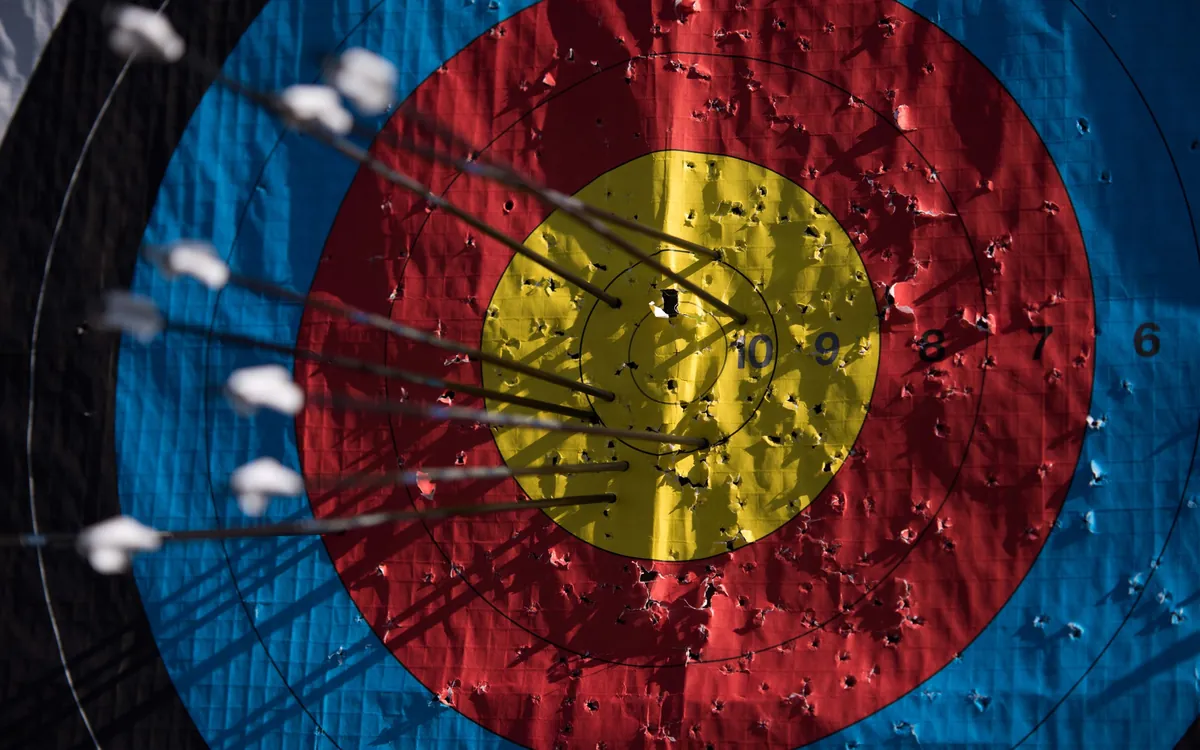
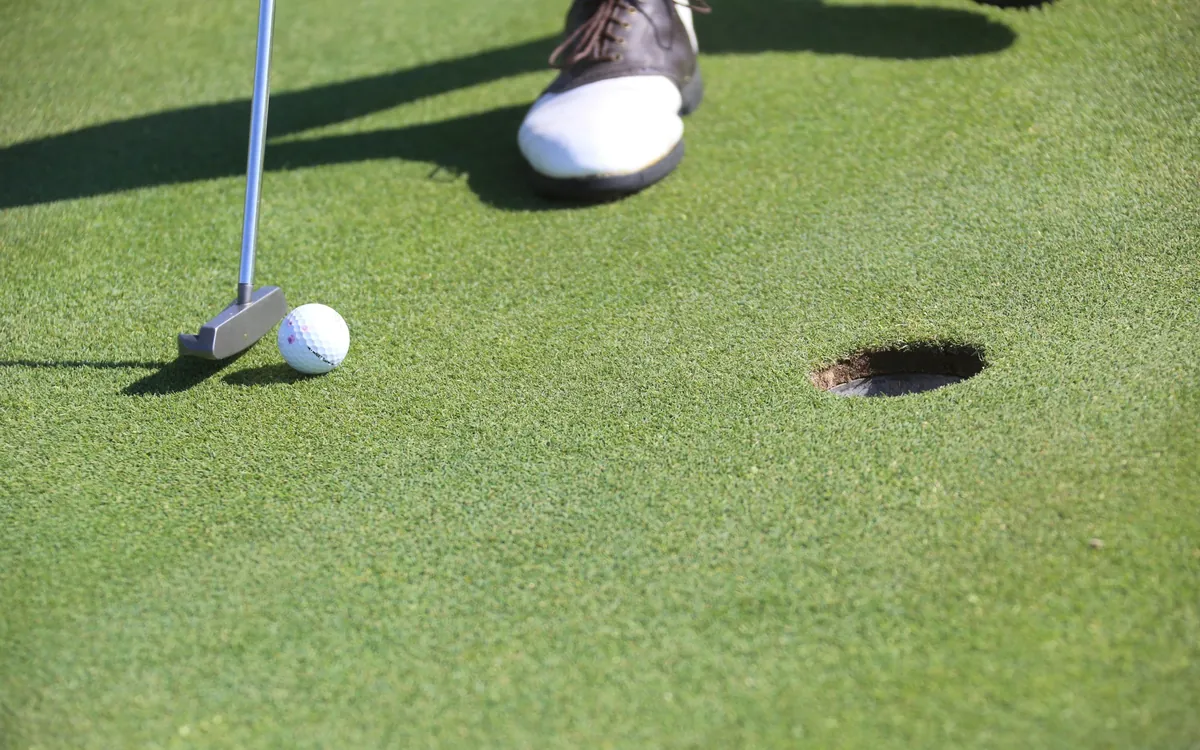
An archer, shooter or golfer stands still for a few seconds before the shot. These are ideal conditions for measuring EEG, which is why most studies come from here. As early as 1991, in a controlled study of archers, correct EEG feedback improved scores and incorrect feedback made them worse. Korean archers trained before the Rio Olympics with a simulation of the venue and a recording of their brainwaves. In pistol shooters, SMR rhythm training improved results, while training another protocol did not. In golfers, 8 SMR sessions improved putting.
The same studies carry an important warning: a change in EEG is not yet a better result. In biathletes, theta rhythm rose during training, but shooting did not improve. In amateur golfers brain activity changed, but putting did not improve more than in the group given sham feedback.
Hockey, cycling, the stage and esports
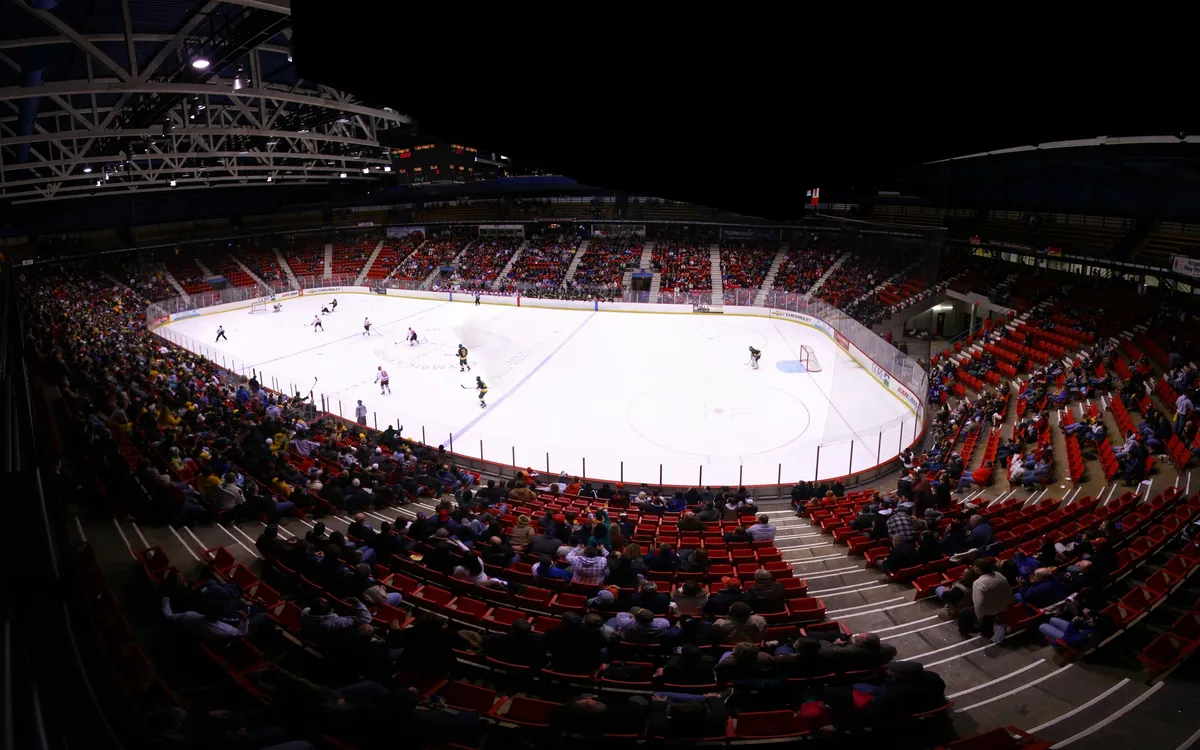
In ice hockey, SMR neurofeedback combined with biofeedback sped up the improvement of shooting compared with a control group. Canada's Olympic programme before the 2010 Vancouver Games included 30–40 hours of bio- and neurofeedback. In amateur cyclists, a short EEG training extended time to exhaustion by more than 30%. Alpha/theta training improved musicians' rated performance under stress, but did not help dancers. In esports, a single session made shooting in an aiming task about 30 milliseconds faster.
The Polish trail: judo and sports universities
In Poland, EEG biofeedback in sport develops mainly at universities. The strongest example is a study of Polish national judo team athletes from the Academy of Physical Education in Katowice: 12 trained, while 12 in the control group watched a display unrelated to their own EEG. The biggest improvement in reaction time came in complex tasks. Research has also been done at the Academy of Physical Education in Warsaw (shooters, swimmers), Jagiellonian University, the Academy in Poznań (young tennis players) and by teams from Kraków, Rzeszów and Gdańsk, who prepared reviews of the research. We found no documented EEG neurofeedback in the Polish top football league or the Polish Football Association.
What does science say overall?
Meta-analyses, which pool many studies, show a moderate, positive effect of neurofeedback on motor tasks in sport. The newest one, from 2025, covered 21 studies and 271 participants. The same papers warn, however, that studies are small, rarely include a sham-feedback group, and the effect shrinks in better-controlled ones. In one meta-analysis, when only placebo-controlled studies were considered, the effect was no longer significant. Only one study in the newest meta-analysis was double-blind.
Five questions before you believe a percentage
- How many people took part? With a few or a dozen, chance easily changes the result.
- What was it compared with? Ideally with a group that receives sham feedback.
- Who measured it? An independent researcher or a company selling the technology?
- Where was it described? In a peer-reviewed journal, a press piece or a campaign?
- What signal was measured? EEG, the heart, breathing, or perhaps a game with no measurement at all?
What follows from this?
EEG neurofeedback has been studied in sport for more than 40 years. Precision sports, where stillness and tension control matter, are the best documented. In football and motorsport, the stories of clubs and brands are more interesting than the data. Nobody has studied match results so far. Better results come from studies with an individually chosen protocol and regular training, and a change in the EEG recording alone does not guarantee better play.
At BELMED® training starts with a conversation and an assessment of brain activity, if needed with a Mini-QEEG test that helps choose the protocol. Current prices for assessment and training are in our price list.
The method is non-invasive and the sensors only read the signal. The literature describes occasional, mild reactions after a session, such as tiredness or a headache, often with a poorly chosen protocol. With epilepsy or a recent head injury, it is worth talking to a doctor first.
Curious what EEG Biofeedback training looks like?
We will tell you what to expect, what not to expect, and whether the method makes sense in your situation.
This article is for information and education. It is not medical advice or a promise of sporting results. BELMED® is not affiliated with the clubs, teams or companies described, and their names are used for information only. State of knowledge as of 31 October 2026.