
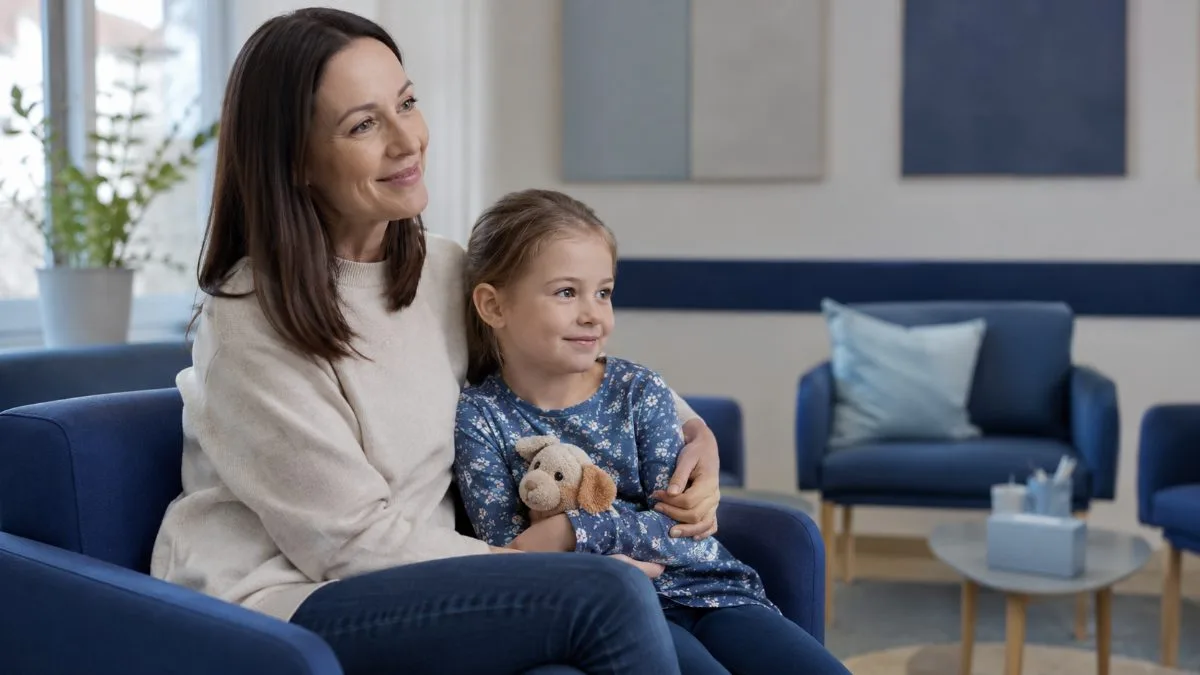
Deciding on a first visit to a specialist can be hard for a parent, and full of questions. Is this the right moment? How do I explain it to my child? Will they cope? The good news is that calm preparation genuinely makes a difference. The less stress there is, the more the specialist can see, and the safer the child feels.
Why does preparation matter?
A child who knows what to expect is calmer and more open. And the more freely they behave, the fuller the picture the specialist gets. Preparation helps the parent too, because organised information and clear expectations make the visit more effective. It is an investment in making the first meeting a good start rather than a source of tension.
How to talk to your child about the visit
The key rule is to tell the truth, simply and without scaring. A few tips:
- Explain briefly where you are going and why, for example that you will see a person who helps children with talking or with learning.
- Emphasise that the specialist does not judge or punish, but helps and gets to know the child.
- Do not promise there will be no tasks, but point out that many of them feel like play.
- Avoid using the visit as a threat or a punishment.
- Match your words to the child's age, a younger child only needs a short, concrete explanation.
It is best not to tell a child that nothing will happen, nor the opposite, to build tension with serious faces and whispering. Both playing it down and dramatising make it harder for a child to settle into a new situation.
What to bring to the visit
A well-prepared set of information makes the specialist's work much easier. It is worth bringing:
- existing documentation, opinions from nursery or school, previous diagnoses and test results,
- your own notes from observation, what worries you, when and in what situations,
- information about the pregnancy, birth and the child's development,
- a list of medicines, if the child takes any,
- a favourite toy or comforter that gives the child a sense of security,
- a snack and water, especially for a longer visit.
How to prepare yourself
The parent is the most important source of information about the child, so it is worth coming prepared. Think in advance about what exactly worries you and since when, and how the difficulty shows at home, at nursery and in relationships. Writing down concrete examples helps, because they are easy to forget in the room. Prepare your questions too, you have every right to ask about anything.
What the first visit may look like
The course depends on the type of meeting, but a first visit is usually above all a conversation and observation in a calm atmosphere. The specialist interviews the parent, learns the developmental history and observes the child, often through play or simple tasks. It is not an exam, but a chance to get to know the child and plan the next steps together. If it is the start of an assessment, for example an autism assessment, the specialist will explain how many meetings the process will involve.
After the visit
After the meeting it is worth calmly talking with your child about how they felt, and praising their cooperation, whatever the course. If the specialist suggested next steps, therapy or further meetings, it is good to plan them without rushing. Remember that a first visit is the beginning of a journey, not a final verdict. It gives you knowledge that makes it easier to take the next good decisions.
A calm, genuinely prepared parent and a child who knows they are going to someone friendly are the best foundation for a successful first visit.
Parents' most common worries
The decision about a first visit often comes with doubts. Here are the ones we hear most often, and how we see them:
- "What if I am overreacting and there is nothing wrong?" A consultation does no harm and often simply reassures. Better to check and breathe out than to wonder for years.
- "Will my child feel worse about themselves?" With a calm parent, the visit is neutral for the child, even interesting. It is adults who give it weight.
- "Will we get a diagnosis straight away?" A first meeting is usually the start of getting to know the child, not a ready verdict. A reliable assessment takes time.
- "What if they cry or will not cooperate?" That is natural and the specialist is prepared for it. A child's behaviour is valuable information too.
It is not about hiding your own emotions, but about not passing tension on to your child. You can say plainly, we are going to meet a person who helps, I am curious what she will suggest.
How to talk to a teenager
An older child and a teenager need a different approach than a preschooler. Here honesty and a sense of agency are key. Explain the real reason for the visit, without minimising and without dramatising. Point out that the goal is help, not judgement or punishment. Give the teenager the right to ask questions and to have a say, as far as possible. Respect their privacy too, part of the conversation with the specialist may take place without the parent, and that is fine.
A short checklist before leaving home
- documentation, opinions from the setting, previous test results,
- your observation notes and a list of questions,
- a favourite toy or comforter for a younger child,
- water and a small snack,
- enough time to arrive without rushing or stress,
- a calm head, the rest is up to the specialist.
Not sure whether it is the right moment?
If you are wondering whether it is already time to see a specialist, it usually is worth it. A consultation settles nothing in advance, and often simply clears up doubts or lets you support your child early. At BELMED® in Tczew we assess and treat children and adults, and we do our best to make the first visit a calm, good experience.
Planning your child's first visit?
Book a consultation. We will calmly explain what the meeting will look like and answer all your questions.
This article is for information only and does not replace a consultation or assessment. To book a visit or ask for details, please get in touch via our contact page.